
MLM Software in 2026: What’s Changed, What’s Outdated, and What You Should Be Running Now





Most MLM software still in use today was built for a business environment that no longer reflects how direct selling operates. With mobile-first usage now dominant, cross-border expansion becoming standard, and compliance requirements growing more complex, traditional systems are increasingly misaligned with current needs.
What once worked as a stable foundation is now showing clear limitations. This article outlines what has changed in MLM software in 2026, highlights outdated capabilities, and defines what modern platforms must deliver to stay relevant.
The evolution of MLM software over the past six years reflects broader shifts in technology, user expectations, and global expansion models. What was once considered advanced is now basic, and what was once optional is now operationally critical.
MLM software expectations have shifted rapidly, with features once considered advanced now becoming standard. As MLM business models evolve, platforms are expected to be more flexible, scalable, and adaptable by default. The following shifts highlight where the industry standard stands in 2026:
The baseline has shifted. Flexibility in compensation design is no longer treated as a premium feature.
Modern software for MLM businesses is expected to handle complex structures without requiring custom development.
This shift allows your compensation strategy to remain a competitive advantage rather than a technical compromise.
The distributor-facing experience is no longer just a dashboard, it is a core product layer. Your distributors interact with it daily, and their expectations reflect that. A well-designed interface directly impacts customer retention, influencing how long distributors stay active and engaged within your network.
When the interface feels outdated or fragmented, your top performers notice and they move.
Delayed earnings visibility is no longer acceptable in modern MLM systems. Distributors expect instant access to their performance data, as it directly impacts motivation and trust. Real-time insights have become essential for maintaining transparency and engagement.
Trust gaps in MLM networks rarely remain small, they scale quickly and become difficult to repair.
MLM global expansion is happening earlier, and platforms must be ready from the start.Supporting multiple regions requires built-in flexibility for compliance, currency, and operations. Without it, growth quickly becomes complex and fragmented.
A platform that cannot support international operations becomes a structural limitation on your growth.
Data is no longer just descriptive, it is predictive. Modern MLM software platforms surface insights before issues become visible, with AI and chatbots in MLM supporting real-time monitoring and faster decision-making.
This shift changes how you manage your network, from reactive reporting to proactive decision-making.
Closed systems limit flexibility in a connected business environment. Modern MLM software must integrate easily with other tools to support seamless workflows.
Openness ensures your tech stack can evolve as your business grows.
Businesses now expect their systems to work together without friction, not operate in isolation.
Most legacy MLM platforms still in use today were built for a very different operating environment.
As business expectations have evolved, these outdated capabilities have become visible constraints rather than minor limitations.
Recognising them is the first step toward understanding where your platform may be holding you back.
End-of-day or weekly payout cycles introduce delays that create uncertainty across your network.
When distributors cannot see the immediate impact of their efforts, it creates a disconnect between activity and reward, leading to doubts about system accuracy. Over time, this lack of transparency increases support queries, payout disputes, and weakens overall trust in the platform.
Rigid compensation systems force your business model to fit within software limitations rather than supporting your strategy.
When only predefined plan structures are available, it restricts how you design incentives, bonuses, and growth paths.
This limitation reduces your ability to differentiate and slows down your response to changing market or distributor expectations.
Distributor activity is now primarily mobile, from onboarding to performance tracking and team management.
Platforms designed for desktop and later adapted for mobile often deliver a fragmented experience with limited functionality.
This results in slower interactions, reduced accessibility, and lower daily engagement, directly impacting productivity across your network.
Onboarding processes that rely on manual steps introduce delays and operational inefficiencies from the start.
Using spreadsheets, emails, or manual verification increases the risk of errors and creates compliance challenges.
A slow onboarding experience weakens first impressions, reduces early engagement, and directly affects long-term distributor retention rates.
Closed systems without API connectivity create ongoing friction as your business evolves.
Integrating new tools such as payment gateways, CRM systems, or e-commerce platforms requires custom development, adding time and cost.
This lack of flexibility limits scalability and makes it difficult for your software for MLM operations to adapt to changing business needs.
These limitations are not always obvious at first, but over time they compound into inefficiencies that affect growth. If your current software for MLM includes multiple of these constraints, the cost is already being felt whether visible yet or not.
Discover how a modern MLM software platform improves visibility, flexibility, and scalability across your network.
Well-run direct selling companies in 2026 operate with unified systems built for scale, speed, and accuracy. Their infrastructure is no longer fragmented but designed to support growth seamlessly. This is now the standard associated with the best MLM software, where technology drives efficiency instead of creating limitations.
A modern MLM software setup typically includes:
A single, consolidated platform manages compensation, onboarding, reporting, e-commerce, and network operations within one system. This eliminates the need to switch between multiple tools or manually reconcile data across systems.
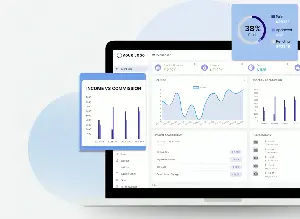
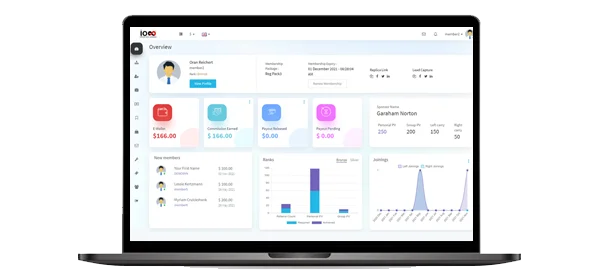
With solutions like Infinite MLM Software, businesses can manage their entire operation from a centralized dashboard, ensuring consistency, accuracy, and real-time visibility across all processes.
This level of integration reduces operational complexity and allows teams to focus on scaling rather than system management.
The compensation engine is capable of executing complex and evolving plan structures without requiring constant developer intervention. Whether your plan includes binary, matrix, unilevel, hybrid, or fully customised models, the system should adapt to your strategy, not the other way around.
Infinite MLM Software, for example, offers advanced compensation configuration that supports dynamic rule setting, conditional bonuses, and real-time adjustments, allowing businesses to refine their incentive structures as they grow.
Distributors interact with your platform daily, and their experience directly impacts engagement and retention. A mobile-native interface and dedicated mobile app ensure they can access real-time earnings, track rank progression, view genealogy, and manage their teams from any device.
Infinite MLM Software provides a responsive and intuitive distributor dashboard along with a mobile app, making it easier for users to stay active, informed, and consistently connected to their network.
A well-equipped platform removes friction from the onboarding process by automating registration, verification, and initial setup. This ensures that new distributors can quickly move from sign-up to active participation without delays or manual intervention.
Infinite MLM Software simplifies onboarding with automated workflows, reducing administrative overhead while maintaining compliance and accuracy across distributor records.
Modern platforms go beyond static reporting by delivering actionable insights in real time. Instead of simply displaying past performance, they highlight churn risks, predict rank advancements, and identify performance gaps within the network.
Infinite MLM Software integrates advanced analytics and reporting tools that enable both management and field leaders to make data-driven decisions quickly, improving overall network performance.
A scalable MLM business requires seamless connectivity with external tools such as CRM systems, payment gateways, and e-commerce platforms. Open API architecture ensures that integrations can be implemented and maintained without ongoing custom development.
Infinite MLM Software supports a wide range of integrations, enabling businesses to build a flexible and connected tech ecosystem that evolves alongside their operational needs.
This is a practical diagnostic to evaluate whether your platform is enabling or constraining your business.
Two or more “no” answers is a signal worth taking seriously.
A platform that constrains your operations at this level is not a neutral cost, it is an active drag on growth.
See how a modern MLM software platform handles your specific compensation plan, markets, and growth stage.
The divide between modern and legacy MLM software now directly impacts retention, accuracy, and growth. What seem like small system limitations often turn into larger operational challenges over time.
Switching platforms requires effort, but staying on a limiting system comes with ongoing costs that compound quietly. The companies that lead in the coming years are making the shift now, aligning their systems with how their business operates today.
The best MLM software in 2026 combines real-time commission visibility, flexible compensation plan configuration, global scalability, and strong integration capabilities. The platform must support evolving business models while delivering a consistent distributor experience across web and mobile.
Real-time commission tracking keeps distributors continuously informed about their earnings, which directly impacts motivation and activity levels. It eliminates confusion caused by delayed updates and reduces the disputes that batch processing creates. When distributors trust the accuracy and transparency of the system, they stay engaged longer.
Modern MLM platforms improve retention by offering personalised dashboards, real-time performance insights, and mobile-friendly interfaces. These features make it easier for distributors to track progress, set goals, and stay connected with their network. A well-designed interface that feels fast and intuitive reduces early-stage drop-off and supports long-term engagement.
Yes. Modern MLM software is built to handle global expansion efficiently. This includes multi-currency support, local tax configurations, and region-specific compliance tools — all managed from a single platform instance, without the complexity of running separate systems per country.
AI-driven analytics help businesses move from reactive to proactive management. The platform identifies churn risks, predicts rank advancements, and flags unusual performance patterns — enabling leaders to act on signals before they become problems.
Integrations allow MLM software to connect with CRM systems, e-commerce platforms, and payment processors. This ensures consistent data flow across tools and reduces manual work. Open API architecture means new connections can be added and maintained without a custom development project each time.
Mobile access is essential. Distributors expect to manage their business, track commissions, and onboard new members directly from their phones. A mobile-first experience significantly improves daily engagement, particularly for distributed and international networks.
Evaluate platforms on scalability, compensation flexibility, real-time capabilities, mobile experience, and integration openness. The right platform aligns with your long-term growth strategy and can adapt to your plan structures and markets without requiring custom development at every stage.
Product Specialist & Research Head | Leading Strategic Multilevel Marketing Software Initiatives | MLM Technology Expert


 May 15, 2026