
Top Network Marketing Companies in the Philippines 2026

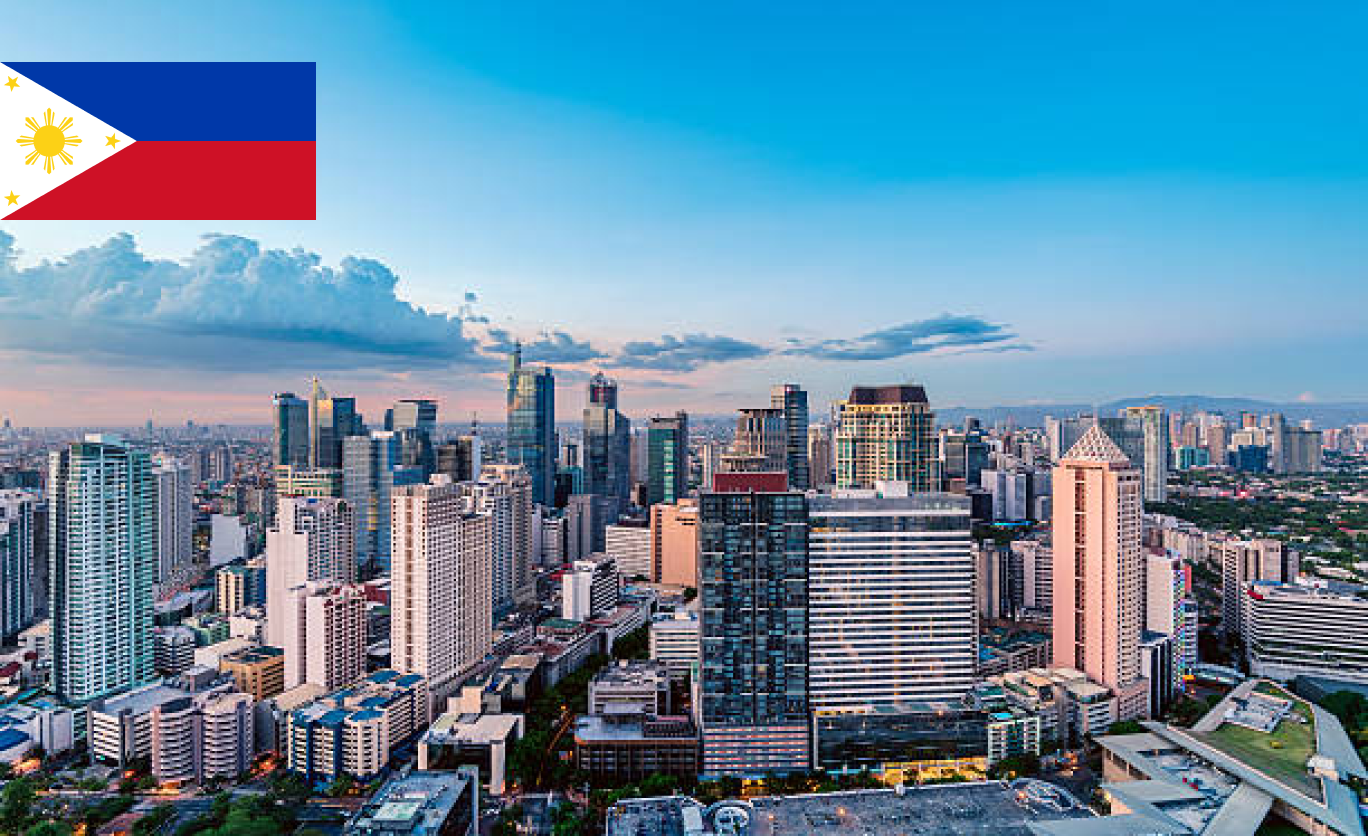
Network marketing is one of the most popular ways Filipinos earn extra income. Roughly 2.5 million people in the Philippines are registered direct sellers, and the industry generates over US$850 million in retail sales a year. Low start-up costs, flexible hours and a culture built on personal relationships have made it a natural fit for the country.
What is network marketing? It is a model where independent distributors earn money in two ways: by selling a company's products directly to customers, and by earning commissions on the sales of distributors they recruit and train. Because these recruits form multiple levels below the original distributor, it is also called multi-level marketing (MLM). A legitimate network marketing company pays its distributors for product sales, not for signing people up.
This guide covers the ten leading networking companies in the Philippines in 2026, with their products, compensation plans, revenue and joining costs, plus the market data behind the industry and a checklist for telling a legitimate MLM company from a pyramid scheme.
Network marketing in the Philippines began in the 1980s with the entry of international companies such as Avon and Amway. The 1990s saw significant expansion, driven by success stories and the rise of local MLM companies. The 2000s brought the first large Philippine-founded players, AIM Global and Royale among them, and the 2010s saw the adoption of digital tools and social media in network marketing, which transformed recruitment and sales.
The World Federation of Direct Selling Associations (WFDSA) publishes the most reliable figures on the industry. The latest available data for the Philippines shows:
| Metric | Figure | Source / Year |
|---|---|---|
| Retail sales (direct selling) | US$855 million | WFDSA, 2024 |
| Number of direct sellers | 2,468,763 | WFDSA, 2024 |
| Penetration rate (sellers as % of population) | ~2.1% | Derived from WFDSA seller count and ~115M population |
| Wellness category share of sales | 62% | WFDSA, 2024 |
| Cosmetics & personal care share | 17% | WFDSA, 2024 |
| Household goods & durables share | 8% | WFDSA, 2024 |
Two things stand out. Wellness products dominate, which explains why eight of the ten companies below are health and wellness brands. And the seller base is huge relative to revenue: roughly US$350 in retail sales per seller per year, meaning most distributors earn modest, part-time incomes. Keep that in mind when evaluating any "income opportunity."
The list opens with the five companies founded in or built around the Philippine market, then the five global brands with the longest-established Philippine operations. Within each group, companies are ordered by years active in the country.
| # | Company | Founded | HQ | Products | Revenue (latest) | Compensation Plan |
|---|---|---|---|---|---|---|
| 1 | Lifestyles (Intra) | 1989 | Markham, Ontario, Canada | Health & wellness | Not publicly disclosed | Unilevel |
| 2 | AIM Global | 2006 | Pasig City, Metro Manila | Health & wellness | US$238M (2024) | Binary + unilevel hybrid |
| 3 | Royale Business Club | 2006 | Quezon City, Metro Manila | Health & beauty | US$40M (2024) | Binary + unilevel hybrid |
| 4 | JC Premiere | 2013 | Quezon City, Metro Manila | Health & beauty | ~US$5M (2024) | Binary + unilevel hybrid |
| 5 | IAM Worldwide | 2016 | San Juan City, Metro Manila | Health & wellness | US$5M (2024) | Binary + unilevel hybrid |
| 6 | Avon | 1886 | Northampton, UK | Beauty & personal care | ~US$2.7B (2023, last reported) | Unilevel (Sales Leadership) |
| 7 | DXN | 1993 | Alor Setar, Kedah, Malaysia | Ganoderma supplements | ~US$430M (FY2025) | Stair-step breakaway |
| 8 | Forever Living Products | 1978 | Scottsdale, Arizona, USA | Aloe vera wellness | ~US$2.5B | Stair-step breakaway |
| 9 | Herbalife | 1980 | Los Angeles, California, USA | Nutrition | US$5.04B (2025) | Stair-step breakaway |
| 10 | Amway | 1959 | Ada, Michigan, USA | Nutrition, beauty, home | US$7.3B (2025) | Stair-step breakaway |
Revenue figures are global unless stated, with the source and year given in each company profile below; most companies do not disclose Philippine-specific revenue. Joining fees in the profiles below are approximate and change with promotions, so confirm on each company's official Philippine website.

Founded: 1989, by David DeBora
Headquarters: Markham, Ontario, Canada; Philippine office in Metro Manila
DTI/DSAP status: Registered foreign direct seller; DSAP member
Flagship products: Intra (23-botanical herbal drink), FibreLife, NutriaPlus
Joining package (PHP): approx. ₱3,000–₱5,000 starter kit
Compensation plan: Unilevel with rank-based bonuses
Revenue: Not publicly disclosed (privately held)
Lifestyles is one of the longest-running foreign MLM companies in the Philippines. Its flagship product, Intra, is sold in more than 30 countries and remains the core of the business. The company has a strong presence in North America, Europe and Asia and has received repeated product-quality recognitions over the years.
Lifestyles has built a loyal Filipino distributor base around a single hero product, a strategy that keeps the catalogue simple and the sales pitch consistent.
Founded: 2006, by Dr. Eduardo Cabantog, Engr. Francis Miguel and Raymond "John" Asperin
Headquarters: Ortigas Center, Pasig City, Metro Manila
CEO: Dr. Eduardo L. Cabantog
DTI/DSAP status: DTI-registered; DSAP member
Flagship products: C24/7 Natura-Ceuticals, Complete Phyto-Energizer, Liven Alkaline Coffee, Burn Slim
Joining package (PHP): Global Package approx. ₱7,980
Compensation plan: Binary (pairing bonus) with unilevel and stair-step rank bonuses, one of the most studied binary-unilevel hybrid plans in Asia
Revenue: US$238 million (2024, Business for Home), the largest Philippine-founded MLM company
AIM Global claims more than 5 million distributors worldwide and operates in over 20 countries. It has won multiple People's Choice Consumer Awards and was named one of Asia's Best Performing Companies at the Asia Corporate Excellence and Sustainability (ACES) Awards in 2019.
With revenue flat at US$238 million in both 2023 and 2024, AIM Global is a mature, stable business rather than a fast grower. It remains the benchmark every Philippine MLM startup measures itself against.

Founded: 2006, by Ricardo S. Castañeda
Headquarters: Quezon City, Metro Manila
CEO: Ricardo S. Castañeda
DTI/DSAP status: DTI-registered; DSAP member
Flagship products: L-Gluta Power, Pure Organic Barley Grass, Royale Kape, FitShape
Joining package (PHP): approx. ₱3,988 Business Package
Compensation plan: Binary (pairing) + unilevel hybrid
Revenue: US$40 million (2024, Business for Home)
Royale started with 15 employees and grew into the second-largest Philippine-founded MLM company. It opened international offices in Taiwan and the UAE in 2011 and added beauty and cosmetics to its line in 2016. Royale is one of the few Philippine direct sellers to hold a Superbrands seal.

Founded: 2013, by Jonathan So (President) and Carlito Macadangdang (Vice President)
Headquarters: Quezon City, Metro Manila
DTI/DSAP status: DTI-registered
Flagship products: JC Organic Barley, Omnifit, K-Pads (Kinoki detox pads), JC Bigrow
Joining package (PHP): approx. ₱8,888 Gold Package
Compensation plan: Binary (pairing) + unilevel hybrid
Revenue: approx. US$5 million (2024, Business for Home)
JC Premiere offers health, wellness, beauty and personal care products made with natural and organic ingredients, with JC Organic Barley as its top seller. The company has built a strong presence in the Philippines and a growing footprint in Southeast Asia and the Middle East through OFW communities. Jonathan So is also one of the country's most-followed entrepreneurship speakers, which gives the brand unusual reach on social media.

Founded: 2016, by Allen Marvin Yu Eder and Aika Lorraine Uy
Headquarters: San Juan City, Metro Manila
Leadership: Allen Marvin Yu Eder and Aika Lorraine Uy (co-founders)
DTI/DSAP status: DTI-registered
Flagship products: Amazing Pure Organic Barley, Amazing Immunergy, Amazing Acai Berry Extract, barley-based coffee
Joining package (PHP): ₱3,900–₱8,000 depending on package
Compensation plan: Binary (pairing bonus) with unilevel bonuses, a hybrid
Revenue: US$5 million (2024, Business for Home)
Both founders were top earners at other MLM companies before launching IAM Worldwide, and that experience shows in the company's fast growth. Within a few years it expanded across the Philippines and into international markets.
IAM Worldwide was recognised as "Most Sustainable and Livable Company" at the Mosliv Awards in 2021 and again in 2023. Its barley-based product line is one of the most recognisable in the Philippine wellness MLM space.

Founded: 1886, by David H. McConnell
Headquarters: Avon International, Northampton, UK; Avon Cosmetics Inc. Philippines, Metro Manila
Owner: Regent LP (acquired Avon International from Natura &Co, completed 31 December 2025)
CEO: Kristof Neirynck (Avon International); Lisa Siders named to lead the combined Avon group once Regent's acquisition of Avon North America closes
DTI/DSAP status: DSAP member
Flagship products: Avon True Color makeup, Skin So Soft, Anew skincare, fragrances
Joining package (PHP): Low-cost registration through an Avon PH representative; confirm current terms on avon.com.ph
Compensation plan: Single-level retail margin plus Sales Leadership (unilevel) bonuses
Revenue: Not disclosed since the 2025 sale; approx. US$2.7 billion in 2023, the last year reported under Natura &Co
Avon is a direct-selling pioneer and one of the oldest brands in the Philippine market, best known for makeup and skincare sold through a largely female representative network. The Avon Foundation for Women supports breast cancer awareness and domestic violence prevention programmes, including in the Philippines. Read our full Avon review for more.
Note for readers: Avon has changed hands twice in recent years. Natura &Co bought it in 2020, the former US parent restructured in 2024, and in December 2025 Natura sold Avon International, which runs the Philippine business, to the investment firm Regent LP. Operations in the Philippines continued throughout.
Founded: 1993, by Dato' Dr. Lim Siow Jin
Headquarters: Alor Setar, Kedah, Malaysia; DXN Philippines in Metro Manila
CEO: Dato' Dr. Lim Siow Jin
DTI/DSAP status: Registered foreign direct seller
Flagship products: Reishi Gano (RG) and Ganocelium (GL) capsules, Lingzhi Coffee 3-in-1, Spirulina, Cordyceps
Joining package (PHP): approx. ₱500–₱1,500 membership kit
Compensation plan: Stair-step breakaway (Star Agent → Star Ruby → Star Diamond ranks)
Revenue: approx. RM1.9 billion (~US$430 million), FY2025 (March 2024–February 2025), DXN Holdings annual report. DXN has been listed on Bursa Malaysia since 2023.
DXN is a Ganoderma (lingzhi mushroom) specialist that grows and processes its own raw material, which gives it unusual control over quality and cost. It operates in more than 180 countries, and the Philippines is one of its largest markets globally.
The company's vertically integrated "One Dragon" model, from cultivation to distribution, is frequently cited as the reason for its stable growth. See our DXN review for a closer look.

Founded: 1978, by Rex Maughan (1936–2021)
Headquarters: Scottsdale, Arizona, USA; Forever Living Products Philippines, Metro Manila
CEO: Gregg Maughan
DTI/DSAP status: DSAP member
Flagship products: Forever Aloe Vera Gel, Forever Bright Toothgel, Forever Bee Pollen, C9 programme
Joining package (PHP): approx. ₱2,000–₱5,000 starter pack
Compensation plan: Stair-step breakaway based on case credits (Assistant Supervisor → Manager)
Revenue: approx. US$2.5 billion global (company reported)
Forever Living is the world's largest grower, manufacturer and distributor of aloe vera products, with its own plantations and a network in more than 160 countries. Its Aloe Vera Gel carries the International Aloe Science Council seal of approval.
The Philippine business is a long-established operation with a stable distributor base in the wellness segment. See our Forever Living review and the list of top Forever Living earners.

Founded: 1980, by Mark Hughes
Headquarters: Los Angeles, California, USA; Herbalife Philippines, Metro Manila
CEO: Stephan Gratziani
DTI/DSAP status: DSAP member
Flagship products: Formula 1 Nutritional Shake Mix, Herbal Tea Concentrate, Herbalife24 sports nutrition, Aloe Concentrate
Joining package (PHP): Herbalife Member Pack approx. ₱1,500–₱3,000
Compensation plan: Stair-step breakaway with rank qualification (Distributor → Supervisor → World Team → GET → Millionaire Team → President's Team)
Revenue: US$5.04 billion (2025, company filings)
Herbalife is a publicly traded company (NYSE: HLF) operating in 95 countries. In the Philippines it is known for its nutrition clubs, community spaces where members run daily shake and tea sessions, which have become a distinct local selling model.
The company invests heavily in distributor training and digital tools, and its sports-nutrition sponsorships give it brand recognition beyond the MLM channel. Our Herbalife review covers the compensation plan in detail.
Founded: 1959, by Rich DeVos and Jay Van Andel
Headquarters: Ada, Michigan, USA; Amway Philippines, Metro Manila
CEO: Michael Nelson (since 2023)
DTI/DSAP status: DSAP member
Flagship products: Nutrilite supplements, Artistry skincare, eSpring water purifier, Atmosphere air purifier, XS energy drinks
Joining package (PHP): Amway Business Owner registration approx. ₱1,000–₱2,000
Compensation plan: Stair-step breakaway (performance bonus from 3% to 21%, then leadership bonuses)
Revenue: US$7.3 billion (2025, DSN Global 100)
Amway is the largest direct-selling company in the world and a consistent presence on Forbes' list of America's largest private companies. Its Nutrilite brand is the world's top-selling vitamins and dietary supplements brand, and the company invests heavily in its own farms and R&D.
In the Philippines, Amway has been operating since 1997 and remains a reference point for product quality in the premium segment. The evolution of Amway traces how it got there.
Most companies above let a distributor start for between ₱1,000 and ₱8,000, a fraction of what a sari-sari store or franchise requires. This makes network marketing accessible to Filipinos without significant capital.
It offers a potential source of supplemental income, which is particularly appealing in a country where many households rely on multiple earners and remittances.
Distributors can work part-time alongside a job, studies or family responsibilities, which is why the model attracts so many women and young professionals.
Filipino culture values community and personal relationships (pakikisama), which align naturally with a model built on personal referrals and trust.
Extended family, barangay and OFW networks give distributors a ready-made audience in the Philippines and abroad. This is why several Philippine MLM companies grew internationally through OFW communities first.
Pyramid schemes are illegal in the Philippines under Article 53 of the Consumer Act (RA 7394), which prohibits "chain distribution plans or pyramid sales schemes." Before joining any company, run these five checks.
Every legitimate company must be registered with the Securities and Exchange Commission. Use the SEC's online tools (the SEC Check app or SEC i-View) to confirm the company exists, and check the SEC's published advisories, where the Commission names entities flagged for unauthorised investment solicitation or pyramiding.
The DTI enforces the anti-pyramiding rules under Department Administrative Order No. 8, Series of 2002, which defines a pyramid scheme in detail (income from entry fees, pay tied to a fixed number of recruits, no fair market value for the products, no reasonable return policy). Ask the company for proof of DTI registration and, ideally, DSAP membership. DSAP members (dsap.ph) agree to a code of practice and a product-return policy.
The DSAP and DTI promote an eight-question test to distinguish legitimate MLM from pyramiding:
If the answer to any of these is "no," walk away.
A legitimate compensation plan pays for sales volume. Warning signs include income that depends mainly on recruiting, mandatory monthly purchases far above what you could resell, and "packages" with no products or with products priced far above market. See our guide to MLM vs pyramid schemes for more.
Choose products you would buy at their listed price even without the business opportunity, and prefer companies with a long, stable market presence. Check what training, mentorship and digital tools the company provides; the established players on this list all run structured distributor training.
With dozens of MLM companies competing for the same distributor pool, new entrants struggle to stand out without a differentiated product.
Established players have brand recognition, lower costs and deeper training systems.
SEC advisories and DTI enforcement have increased, so compliance is a cost of doing business rather than an afterthought.
Past pyramiding scandals have left many Filipinos skeptical, so legitimate companies must work harder to build trust.
Companies overcome these through product innovation, transparent compensation plans, strong compliance, and modern MLM software that delivers accurate, on-time payouts and builds distributor trust.
 Consumer Act of the Philippines (Republic Act No. 7394, 1992). Protects consumers from deceptive and unfair sales practices; Article 53 specifically prohibits chain distribution plans and pyramid sales schemes.
DTI Department Administrative Order No. 8, Series of 2002. The implementing rules for Article 53: it defines what makes a plan a pyramid scheme and sets out how complaints are filed and penalised.
Securities Regulation Code (Republic Act No. 8799, 2000). Governs investment solicitation; the SEC uses it to act against MLM schemes that are, in substance, unregistered investment contracts.
Securities and Exchange Commission (SEC) registers companies and issues public advisories against entities engaged in unauthorised investment solicitation or pyramiding.
Department of Trade and Industry (DTI) enforces the Consumer Act and its anti-pyramiding rules, and handles consumer complaints against direct sellers.
Network marketing is a large, established industry in the Philippines, with roughly 2.5 million direct sellers and over US$850 million in annual retail sales. The ten companies above show the two models that dominate the market: Philippine-founded wellness brands running binary-unilevel hybrid plans, and global brands with stair-step breakaway plans and decades of local presence.
For anyone evaluating a company, the five-step legitimacy check and the DSAP 8-Point Test are the fastest way to separate real businesses from pyramid schemes. For anyone building one, the lesson from the leaders is consistent: a product people would buy anyway, a compensation plan that pays for sales, and the systems to pay distributors accurately and on time.
Looking beyond the Philippines? See our lists of the top MLM companies in Singapore, Hong Kong, South Korea and Indonesia, or the top 100 MLM companies worldwide.
Co-founder and Chief Marketing Officer at iOSS

Looking for a certified, enterprise-ready platform with advanced features for your MLM business? Infinite MLM Software might just be the thing for you.
Connect with Us