
The Ultimate Guide to MLM Referral Programs (2026)


But how do you find the true potential of referrals? The key is MLM Software and a well-crafted referral program that not only incentivizes your current members but also motivates them to bring in the right people, expanding your community exponentially.
In this guide, we’ll find the mechanics behind successful MLM referral programs, how referral programs work in a software, highlight the benefits they can bring to your business, and address some challenges to watch out for along the way. Ready to change your referral strategy and watch your MLM business grow? Let’s find out how it can be done?
An MLM referral program is a marketing strategy used in multi-level marketing to incentivize individuals to recruit new members or customers. Participants earn rewards, commissions, or bonuses for referrals, often extending these benefits across multiple levels in the network.
These programs encourage distributors to share products or services with their networks, including friends, family, or social media followers. In return, they receive rewards, helping to drive growth and engagement within the MLM business.
This program works on a hierarchical structure, where participants earn commissions not only for the sales they make but also for the sales made by the people they recruit, creating a multi-level or "downline" network.
Key elements of an MLM Referral Program include:

Participants earn commissions or rewards for referring new customers or recruits into the MLM system. This may include direct sales commissions & bonuses, or a percentage of the sales made by their recruits.
In addition to earning from their own sales, participants also earn a percentage of the sales made by those they recruit into the business (their downline). The deeper the levels of recruitment, the more commissions they can potentially earn.
MLM programs typically have a tiered commission structure where higher levels of recruitment and sales result in higher earnings. The structure can range from a simple two-level system to a complex network of several levels.
A key feature of MLM programs is that they emphasize recruitment. Success often depends on one's ability to not only sell products but also recruit others into the business, which creates additional sales and recruits within the network.
MLM programs are designed to grow through networks of distributors, where each participant can recruit more people, leading to exponential growth if managed effectively. This scalability allows MLM companies to reach larger markets.
Overall, an MLM Referral Program encourages both selling products and recruiting new participants into the network, which in turn fuels the growth of the MLM opportunity.


In Multi-Level Marketing, a clear and well-structured referral program is essential. To set this up, you need to define the commission rates and reward systems for both direct and indirect referrals. For example, referrers might earn a percentage of sales from people they directly recruit, and additional commissions can be given for sales made by recruits' recruits, forming a multi-level income model.
You must also decide on how and when the rewards will be distributed (e.g., weekly, monthly), and outline the specific actions needed to qualify for commissions, such as minimum sales or activity requirements.

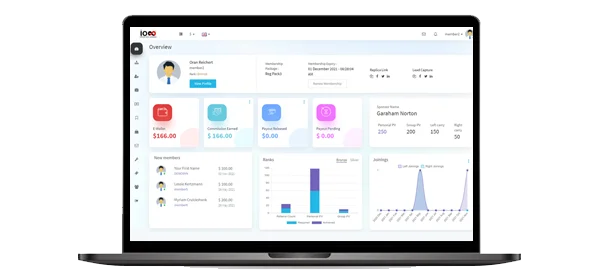
MLM software helps automate the entire process, making it easier to manage your referral program. This software often includes tracking tools, real-time dashboards, and automated reporting features. This way, you can quickly monitor performance, track commissions, and ensure that all calculations are accurate.
Network marketing Automation reduces human error and ensures that your referral system runs efficiently, making it easier for both the company and participants to stay updated on their earnings and performance.

One of the main ways MLM programs grow is by encouraging participants to share referral links or codes. This can be done through various platforms like social media, email, or direct sharing e.g., via messaging apps or personal websites.
Referrers can promote their links across multiple channels to increase the chances of attracting new recruits. Additionally, providing pre-designed marketing materials or templates makes it easier for participants to spread the word and recruit others.

To maintain a successful MLM referral program, it is crucial to keep track of performance and reward participants consistently and fairly. This includes monitoring both the number of recruits and the sales generated. Transparency is key, so participants should have access to dashboards showing their earnings, activity, and the performance of their recruits.
Timely payouts are important for maintaining motivation, as delays in commission payments can lead to dissatisfaction. Regular and transparent communication regarding earnings and reward systems ensures that participants stay engaged and motivated to continue referring others.
By structuring your MLM referral program effectively, automating key tasks with software, promoting easy sharing of referral codes, and ensuring fair tracking and reward practices, you can create a strong and scalable network marketing system.
According to Insider Intelligence, 52.2% of small businesses in the US consider referrals the most effective marketing strategy.
Referral programs in MLM software simplifies the process of tracking and rewarding distributors for their recruitment and sales efforts. Distributors receive unique referral links or codes, making it easy to share and earn commissions based on new signups or product purchases.

Each distributor receives a personalized referral link, often called a replica link. For example, if a distributor's username is "sarah123," their link could be: https://mlmcompany.com/username=sarah123. When someone clicks on this link and either makes a purchase or joins the network, the distributor earns a commission.
Distributors can also share product-specific links for individual items. Each product in the MLM system is assigned a unique referral link. If a customer buys through this link, the distributor earns a commission on that sale.
Log into the MLM software and move to the referral section to find your personalized referral link or product links. This dashboard is where all referral activities are tracked.
Distributors can share their referral link through social media, email, or direct messaging apps. MLM software often includes options like “Copy Link” or “Share to Social Media” for convenience.
MLM software allows distributors to track their referral progress in real-time. They can see how many people have clicked their link, signed up, and made purchases.
When a referral leads to a signup or sale, the distributor receives their commission. Commissions may be paid out weekly, monthly, or in real-time, depending on the MLM company’s structure.
Successful distributors continue referring new members, growing their MLM downline and increasing their potential earnings as their network expands.
Each distributor has access to a dashboard displaying their referral activities, including the number of new recruits and total commissions earned. This gives an overview of their referral performance.
MLM software updates the distributor’s dashboard as soon as a new member joins or a sale is made through their referral link, providing real-time insights into their progress.
A genealogy tree feature allows distributors to view the structure of their downline, helping them track the flow of referrals throughout their network. This tool is useful for strategizing and managing a growing team.
MLM software makes managing referral programs easy by providing personalized referral links and performance monitoring tools. Distributors can track their progress, earn commissions, and build their network more effectively through automated network marketing tools and dashboards. This system empowers them to maximize their earnings while growing the MLM business.
According to Gigaom Research, 43% of marketers who utilize referrals acquire over 35% of their new customers through this method.
MLM (Multi-Level Marketing) referral programs offer several key benefits that can significantly increase both businesses and individuals participating in these systems. Below are the advantages:
Affordable Marketing Solution
MLM referral programs are a cost-effective way to market products or services. Unlike traditional advertising methods, such as TV commercials or print ads, MLM relies on personal networks to spread the word, drastically reducing marketing expenses. The focus is on word-of-mouth referrals, making it a budget-friendly strategy.
Building Customer Trust
Referrals from family, friends, or colleagues carry a sense of trust and credibility. Customers are more likely to try a product or service when it's recommended by someone they know personally. This personal touch in recommendations helps build a strong foundation of customer trust, making it easier for new businesses to gain traction.
Generating Targeted Leads
MLM programs allow businesses to reach highly targeted leads. When a person refers to a product or service, it is often to someone within their own network who shares similar needs or interests. This naturally leads to high-quality leads who are more likely to convert into paying customers, thus improving the overall efficiency of marketing efforts.
Rapid Scalability
One of the standout features of MLM referral programs is their scalability. As participants recruit others into the program, the network grows exponentially. This growth happens without the need for a significant increase in marketing budget, meaning businesses can expand their customer base quickly while maintaining low operational costs.
Enhancing Customer Loyalty
MLM referral programs often include incentive-based structures such as commissions, bonuses, or rewards for customers who successfully refer new clients. These rewards encourage long-term participation, fostering customer loyalty. By providing continuous rewards, businesses can keep customers engaged and motivated to remain within the program, leading to repeat business and higher customer retention.
These benefits make MLM referral programs an attractive option for businesses looking for effective, scalable, and cost-efficient marketing solutions that also prioritize customer experience, satisfaction and loyalty.
Referred customers had, on average, a 16% higher lifetime value over a six-year period compared to non-referred customers. (Source: Wharton School of Business)
While MLM (Multi-Level Marketing) referral programs offer numerous benefits, they also come with a set of challenges. Below are some common hurdles businesses face when running MLM programs, along with strategies to overcome them:

One of the main challenges in MLM referral programs is accurately tracking and attributing referrals. Without proper tools or systems, errors can occur in tracking, leading to disputes over who referred whom and mismanagement of commissions.
MLM programs can be vulnerable to fraudulent activities such as fake referrals, multiple accounts being created by the same individual, or manipulation of the system to gain undeserved rewards. This can undermine the integrity of the program and cause significant issues for the business.
Over time, members may lose interest or motivation in continuing their efforts, especially if the rewards become stale or the referral process feels repetitive. Keeping participants engaged and motivated for the long term is a key challenge in sustaining the program's success.
When multiple participants refer to the same customer, there can be confusion and disputes about who should receive credit for the referral. Overlapping referrals can cause tension and dissatisfaction among members if not handled clearly and fairly.
Some participants may not have enough time or motivation to actively engage in referring new customers, leading to lower participation and less growth in the network. A lack of time investment can hinder the overall success of the MLM program.
Without adequate promotion of the MLM referral program, it can be difficult to attract new participants or customers. A lack of awareness can limit the program's growth and effectiveness, preventing it from reaching its full potential.
Even if a referral program starts strong, maintaining consistent engagement and participation can be a challenge. If members do not continue to refer new customers or remain involved, the network may stagnate, leading to a decline in results.
By proactively addressing these MLM challenges with the right tools, strategies, and incentives, businesses can improve the effectiveness of their MLM referral programs, ensuring sustained growth and participation.
Here are strategies to optimize your MLM (Multi-Level Marketing) referral program, ensuring it is effective and engaging for participants:
Simplify the referral process by creating clear and accessible rules. Ensure that participants understand how to refer to others and what actions are needed to earn rewards. A user-friendly interface on both mobile apps and desktop platforms can make the program easier to navigate and more appealing to participants.
Strike a balance between monetary and non-monetary incentives. While cash bonuses or commissions are effective, non-monetary rewards like exclusive products, recognition, or experiences can also add value. A well-rounded rewards system increases motivation by catering to different participant preferences.
Use multi-channel marketing strategies to reach a broader audience. This can include social commerce, email marketing, paid ads, influencers, and partnerships. Promote the program consistently to attract new participants and keep current members engaged, ensuring your referral program remains visible and attractive.
Offer thorough and ongoing MLM training to empower participants to be effective marketers. Provide resources such as instructional videos, step-by-step guides, and best practices to help distributors succeed. The more confident and knowledgeable your participants feel, the more likely they are to refer others and engage with the program.
Combine your MLM program with CRM systems and analytics tools. This integration allows the tracking of referrals, commissions, and performance metrics. A unified system ensures data is accurate, enabling better decision-making and simplified operations.
Encourage more referrals by offering rewards to both the person making the referral and the new member. This dual incentive structure creates a win-win scenario that benefits both parties, increasing the likelihood of successful referrals and fostering a sense of fairness in the program.
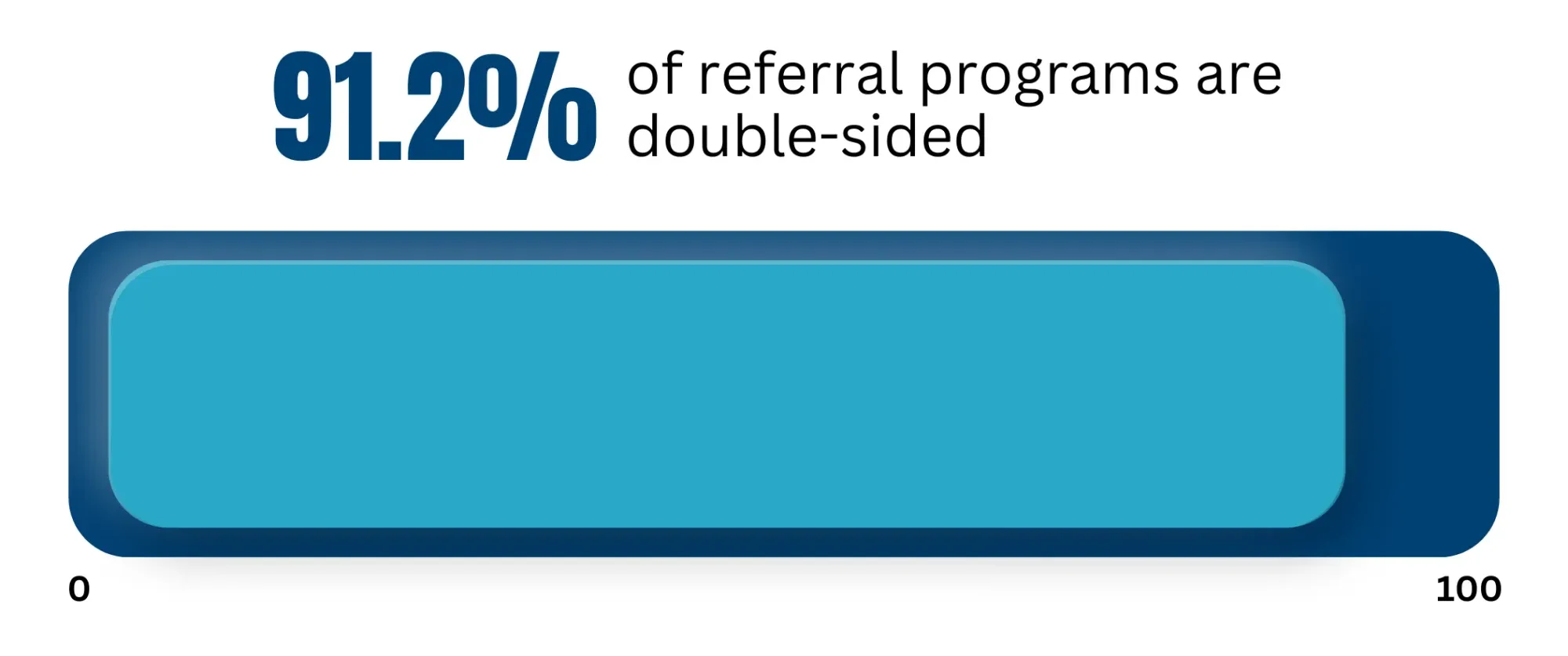
Most brands with referral programs reward both the promoter and the referred friend, with 72% offering the same reward to both.
Refresh your reward system periodically to maintain interest and excitement. Offering different types of rewards at different stages of the program can keep participants engaged over time. Changing rewards based on seasonal events, product launches, or special promotions helps maintain momentum and prevent monotony.
Regularly update and introduce new promotional strategies to keep the program fresh and appealing. This could include limited-time offers, bonus referral periods, or special contests. Promotions create a sense of urgency and encourage members to act quickly, increasing referrals and engagement.
Make it as easy as possible for participants to share referral links by offering multiple sharing options. These could include social media integrations, email templates, or even offline methods like QR codes or printed referral cards. Providing a variety of methods for sharing ensures that participants can spread the word in the way that suits them best.
By employing these strategies, you can create a more engaging, efficient, and successful MLM referral program that attracts new participants, motivates existing members, and drives growth.
MLM referral programs offer businesses an innovative and scalable way to grow their customer base and increase sales through personal networks. By utilizing well-structured referral systems, offering attractive incentives, and using technology in direct selling such as MLM software, direct selling companies can optimize their programs for maximum effectiveness. The key to success in MLM referral programs lies in maintaining transparency, ensuring fairness, and keeping participants motivated.
While challenges such as tracking referrals, preventing fraud, and maintaining engagement are inevitable, these can be mitigated with the right tools and strategies. Regularly refreshing rewards, promoting the program through multiple channels, and providing better training can help sustain interest and ensure continued participation.
Ultimately, a successful MLM referral program fosters loyalty, builds customer trust, and enables rapid, cost-effective growth. By addressing the challenges and implementing best practices, businesses can create a thriving MLM network that benefits both distributors and customers, driving long-term MLM success.
When creating a commission structure for an MLM referral program, include these key elements:
MLM companies ensure the quality of their referral programs by implementing:
MLM referral programs can generate passive income once a distributor builds a solid downline, earning commissions from ongoing sales. This residual income is a key attraction of MLM programs. However, building sustainable passive income requires consistent effort in recruitment and sales initially.
Fair compensation in MLM programs is ensured by:
Some best practices for growing an MLM network include:
Training is vital in MLM programs because it:
Referral commissions act as an incentive for encouraging partners and customers to bring in new business, fostering growth in different industries. By providing financial incentives for successful referrals, companies can broaden their market reach, strengthen partner connections, and increase overall sales performance.
Co-founder and Chief Marketing Officer at iOSS

Are you on the lookout for a cost-effective software solution with advanced features for your MLM business? Infinite MLM software might just be the thing for you.
Connect with Us